Advancing Customs Through Shared Knowledge: Write for the WCJ!
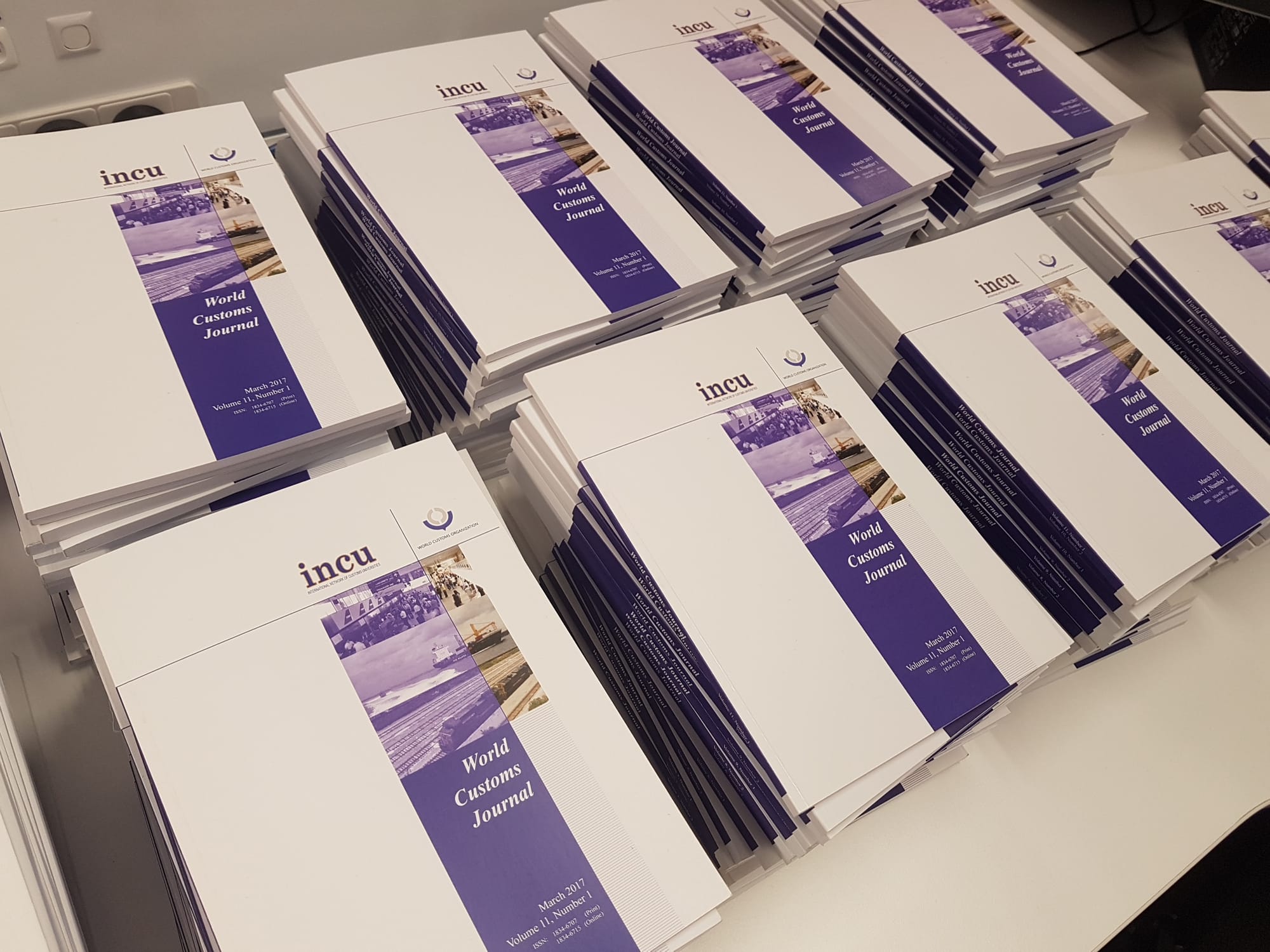
If you’ve ever thought, “Someone should really write about this,” or “The Customs perspective needs to be better understood” chances are you are exactly the person the World Customs Journal (WCJ) and its global audience wants to hear from.
Launched in 2007, the WCJ has grown to become the leading international academic journal on Customs. The Journal is read across every WCO region by practitioners, policymakers, educators, researchers, and the broader public guaranteeing your insights global reach and real influence.
Who should write for the WCJ? More people than you think.
- Frontline officers with operational stories and lessons learned.
- Managers and leaders navigating reform, technology, workforce capability or stakeholder engagement.
- Policy and trade specialists with insights into emerging trends.
- Researchers and academics exploring customs theory, data and future directions.
- Students and early career professionals with fresh perspectives and case studies.
By attracting a diverse range of perspectives, the WCJ hopes to enrich the conversation, shift thinking, spark debate, and advance the academic standing of the Customs profession.
What topics are in demand? Anything shaping the future of customs and border management.
The WCJ accepts three kinds of submissions including peer-reviewed articles (3,00-5,000 words), special reports or commentaries (500−5,000 words) and letters to the editor that address, challenge, rebut, or amplify published articles.
Topics open for consideration by the WCJ Editorial Board could include:
Border technologies and digital transformation.
Trade facilitation and supply chain resilience.
Enforcement challenges and innovative compliance approaches.
Environmental sustainability and Green Customs.
Workforce capability, leadership and professionalisation.
Regional case studies and lessons learned.
Emerging risks, policy shifts and global trends.
Still considering becoming a published author?
Here are six tips to help you on your way.
1. Reach out early: Talk to the editorial team or your employer first.
With an acceptance rate of around 40%, it pays to connect early with the WCJ editorial team, your educational institution, or your employer to test and refine your idea and get guidance on the article’s focus and approach. It is also worth checking with your employer about confidentiality and privacy issues or support needs. Are you writing under your own name or are you representing your organisation’s views?
2. Start with a clear message: What do you want readers to take away?
A strong WCJ article always starts with a single, unmistakable message. The clearer you are about that message from the outset, the more compelling your piece becomes.
3. Use real examples: Practical stories make your article memorable.
WCJ Editors appreciate the use of case studies, stories alongside evaluation, or impact data because it demonstrates that your insight is grounded in practice and helps reassure readers (and WCJ reviewers) that your conclusions are solid. It is necessary to have a data collection plan in place before you begin.
4. Keep it structured and concise: Short sections, clear headings, and a logical flow.
The WCJ offers its contributors a high degree of flexibility in terms of content and length of articles, but without compromising professional scholarly standards. When your argument is sharp and free of unnecessary detail, reviewers and readers can immediately see the strength of your thinking.
5. Show the “so what”: Explain why your insight matters for customs globally.
What do you want readers to think and feel at the end of the article? Whether you are informing them of the latest research or practice, presenting a new model or approach, or simply challenging an existing assumption, it is important to explain why this matters now and the implications for the Customs profession.
6. Follow the editorial guidelines
WCJ has published a straightforward submission process and style guide. It is important that submissions comply with this guidance. If not; at best, it can push out the time it takes for the submission to be published or at worst, result in an early rejection.
Still interested in learning more.
Visit the World Customs Journal website for submission guidelines and past issues, and then get in touch at info@worldcustomsjournal.org