
Our history
CCES began with a simple conviction: that customs and border management is a profession, and a profession deserves a discipline. What started as a small group of Australian practitioners teaching what they had learned in the field became the first academic programs anywhere built specifically for customs administration — and then the reference point for the rest of the world.
Established in 2003 at the University of Canberra, the Centre for Customs and Excise Studies (CCES) grew from the University's early development of customs-focused education programs. The Centre was founded under the leadership of Professor David Widdowson and has since become a recognized leader in customs and border management education.
Today the Centre sits within Charles Sturt University in Canberra and is part of the WiseTech Global Group. It holds a formal Memorandum of Understanding with the World Customs Organization, hosts the Secretariat of the International Network of Customs Universities, and publishes the World Customs Journal with the University of Münster. Officials from more than 180 countries have studied with us.
A profession finds a curriculum
The first tertiary qualifications designed specifically for customs officers are developed in Australia, drawn from serving practitioners rather than adapted from general trade law.
CCES is founded
The Australian Customs Service and the University of Canberra established a strategic partnership to form the Centre for Customs Studies.
University of Canberra partnership
Pravin Gordhan in his capacity as Commissioner of the South African Revenue Service (SARS) and Chairman of the World Customs Organization Council officially opens CCES's Canberra Office.
INCU is founded
The International Network of Customs Universities is established to connect customs academics worldwide. CCES provides its Secretariat.
The World Customs Journal launches
Published with the University of Münster, it becomes the only peer-reviewed journal dedicated to customs matters.
WCO recognition milestone
The World Customs Organization (WCO) formally recognized the first university programs to meet its newly established international professional standards. CCES was one of the first three institutions globally to receive this formal accreditation.
Charles Sturt University
The Centre moves to Charles Sturt University, Canberra, and its programs are formally recognized by the WCO as meeting the WCO Professional Standards.
Part of WiseTech Global
CCES joins the WiseTech Global Group, pairing three decades of customs scholarship with the technology that runs global trade.



Academics, researchers & practitioners
Work with us
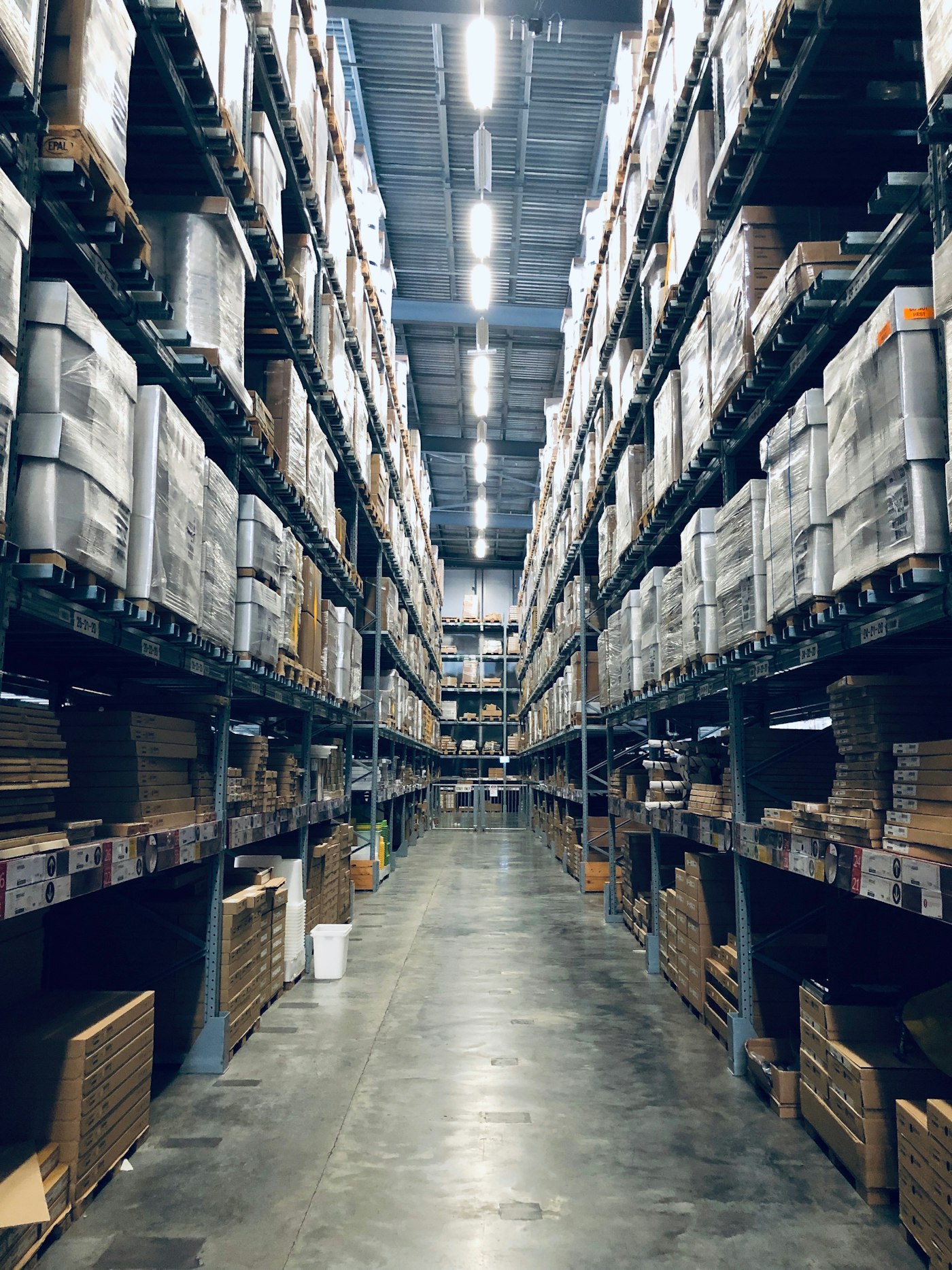
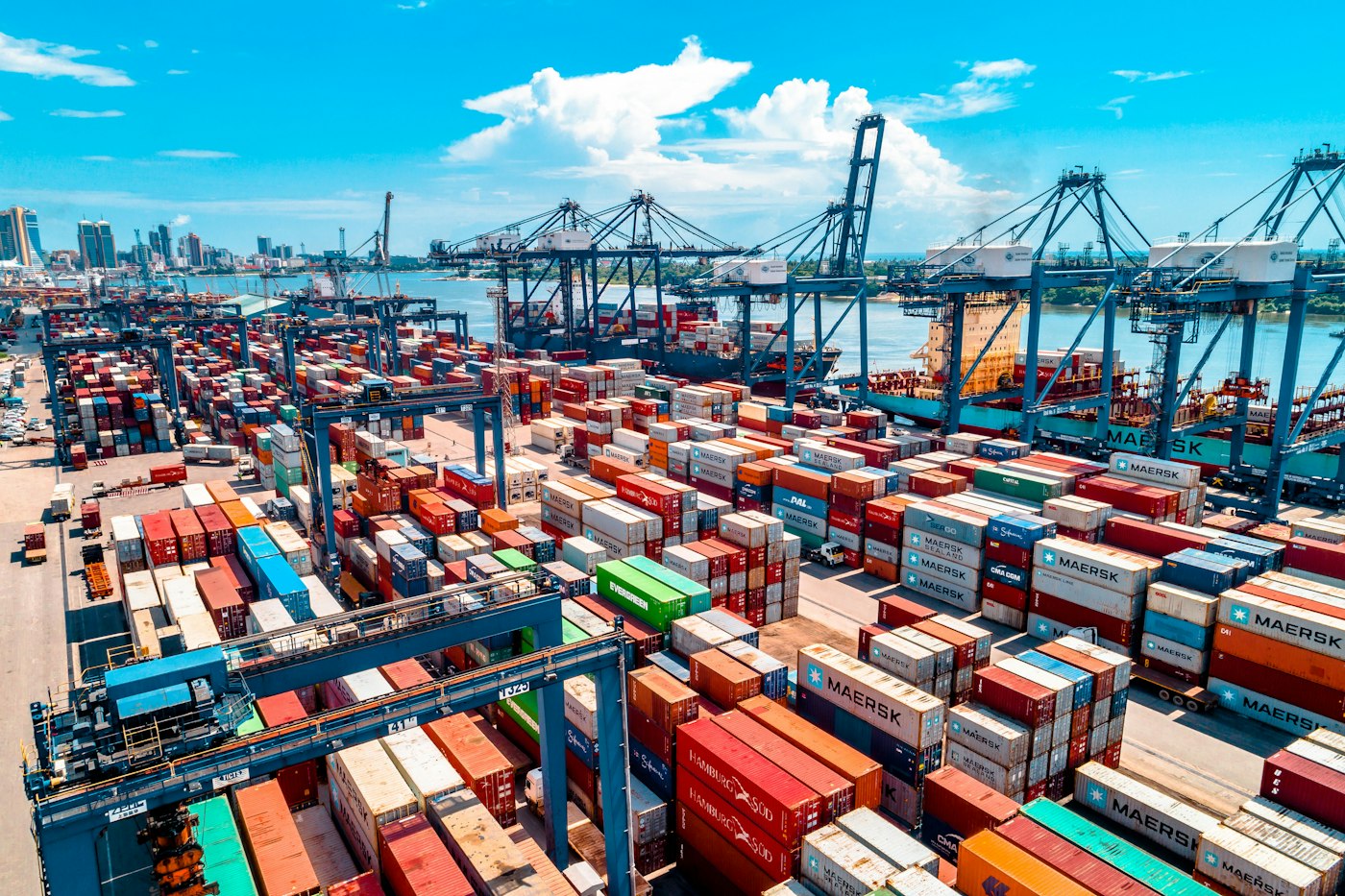
At CCES, our strength lies in the experience of our people. Many of our academics began their careers in customs administrations, border agencies, and international trade before transitioning into teaching and research. This combination of professional practice and academic expertise ensures our programs are grounded in real-world knowledge.
We regularly collaborate with academics, industry specialists, and sessional educators in areas such as customs law, valuation, risk management, trade facilitation, and enforcement. If you have expertise to share or research ambitions aligned with our work, we would love to hear from you.
Interested in joining us?
Whether it's a teaching role, research collaboration or guest lecturing, get in touch to discuss how we can work together.
Organizations we work with








A global network of partners
CCES has established strategic alliances and memoranda of understanding with customs administrations, government agencies and educational institutions across the world.
- Australian Department of Home Affairs
- Australian Department of Foreign Affairs
- Australian Federal Police
- Academy of the State Customs Committee, Azerbaijan
- Cariforum
- Community College of Qatar
- East and Southern Africa Management Institute
- Export Council of Australia
- International Federation of Freight Forwarders Associations
- Kazakhstan Customs
- Kenya Revenue Authority
- Libyan Academy of Customs Studies
- Maldives Customs Service
- Mongolian General Department of Customs
- Namibia Revenue Agency
- Philippines Bureau of Customs
- Seychelles Revenue Commission
- Shanghai Customs College
- South African Revenue Service
- Timor-Leste Customs Authority
- The University of Texas
- UN Trade and Development
- Vietnam Ministry of Finance
- WCO East and Southern Africa Regional Office for Capacity Building
- World Trade Organization
Interested in partnering with CCES?
We're always open to new alliances with agencies and institutions advancing customs and border management education.
Thoughts from our Alumni network
Graduates of CCES lead customs and border agencies in more than 100 countries. These are their words on how their studies changed their profession.
Broadened my perspective on border management and shaped a more collaborative approach across the Pacific.
The MICLA degree set me apart as a customs and international trade expert, a notch above my peers.
Equipped me with knowledge at a global level — I now consult on customs matters across borders.
As Comptroller of Customs, my studies powered our transition from paper-based systems to a technology-driven administration.
Three months after graduating I was promoted to regional head of customs and regulatory affairs for 21 countries.
Promoted to Assistant Director, Amman Customs Centre — proud to be the first from the Middle East to complete this master’s.
Now Deputy Commissioner of Customs, applying modern management to strengthen national revenue generation.
After 25 years in Swedish Customs leadership, CCES gave me the platform to pursue a PhD candidature.