
Centre for Customs and Excise Studies Centre for Customs & Excise Studies
Part of WiseTech Global Student Hub
STUDY

Degrees, courses and licensed training for the border profession

Accredited degrees awarded by Charles Sturt University and vocational short courses for agencies — designed by CCES with industry, government and international agency collaboration, including the World Customs Organization (WCO).

Pathway Online Degrees Professional Courses Short Courses Case Studies
The pathway

Start anywhere and keep progressing

Undergraduate Certificates
Bachelor of Border Management
Graduate Certificate / Graduate Diploma
Master of Customs Administration
Master of Applied Business (specializations)
PhD (Research Degree)

Recognized admission pathways

Entry to undergraduate programs is based on ATAR, VET qualifications, or two years of relevant work experience. Entry to postgraduate programs requires an undergraduate degree or three years of customs experience, plus an IELTS score of 6.0.

Study from anywhere

Programs are delivered fully online via Charles Sturt University’s Brightspace platform, with Session 1 and Session 2 intakes each year.

Accredited & recognized

Charles Sturt University — TEQSA Provider PRV12018, CRICOS 00005F. Programs designed with the World Customs Organization (PICARD).

Find the qualification that fits where you are now

Speak with our team about admission, credit options and how to combine study with a full-time career.

Online Degrees

Seven qualifications, one accredited standard

Undergraduate

Undergraduate Certificates

Undergraduate

Undergraduate Certificates

Four short, entry-level certificates — Border Security, International Customs Law, Trade & Customs, and International Trade. Each 2–3 subjects.

32 pts·1 session FT / 2 PT
Undergraduate

Bachelor of
Border Management

Undergraduate

Bachelor of Border Management

10 core subjects and 8 electives covering trade regulation, facilitation and border enforcement — for public and private sector careers.

192 pts·3 yrs FT / 6 yrs PT
Postgraduate

Graduate Certificate of Customs Administration

Postgraduate

Graduate Certificate of Customs Administration

Two core subjects — Customs Management Theory & Practice, plus International or European Customs Law. Credit-counts toward the Masters.

32 pts·1 session FT / 2 PT
Postgraduate

Graduate Diploma of
Customs Administration

Postgraduate

Graduate Diploma of Customs Administration

Core subjects plus electives in trade policy or border revenue — choose the standalone stream or the Masters-progression stream.

64 pts·1 yr FT / 2 yrs PT
Postgraduate

Master of
Customs Administration

Postgraduate

Master of Customs Administration

4 core subjects and 3 electives spanning customs law, research methods and strategic management — CCES's flagship qualification.

96 pts·3 sessions FT / 6 PT
Presenter pointing to sticky notes on a whiteboard during a team workshop
Postgraduate

Master of
Applied Business (specializations)

Postgraduate

Master of Applied Business (specializations)

A business master’s with a customs and trade focus — build management, strategy and leadership capability, then specialize in the area that fits your career.

3 specializations
Research

Research Degrees
(PhD)

Research

Research Degrees (PhD)

Conduct original research in customs, border management and international trade, supervised by CCES and CSU's Faculty of Business, Justice & Behavioural Sciences.

3–4 yrs FT·6–8 yrs PT

Every credit point counts forward

Your Graduate Certificate's 32 credit points count directly toward the 96-point Master of Customs Administration — leaving just 64 points to complete. No repeated study, no lost time.

Browse our course catalog
Professional Courses

Practical training built for customs and border agencies

Vocational courses and licensed training materials, grounded in World Customs Organization best practice — delivered to your agency online, in the classroom, or blended, exactly as your organization needs it.

Online

Full course delivery over your agency's own learning environment, self-paced or facilitated.

Classroom

In-person delivery at your premises, led by CCES trainers or your own accredited staff.

Blended

A mix of online and classroom delivery, structured around your organization's requirements.

Short Courses

Non-award training, built around your agency

Our short courses are professional development programs for working officers — spanning customs administration, revenue and tax administration, customs law, border management and international trade. They carry no formal award, so there are no admission requirements and no assessment burden on your people.

Courses are commissioned by agencies rather than taken by individuals, and can be amalgamated, resequenced or scoped to the capability gap you need to close.
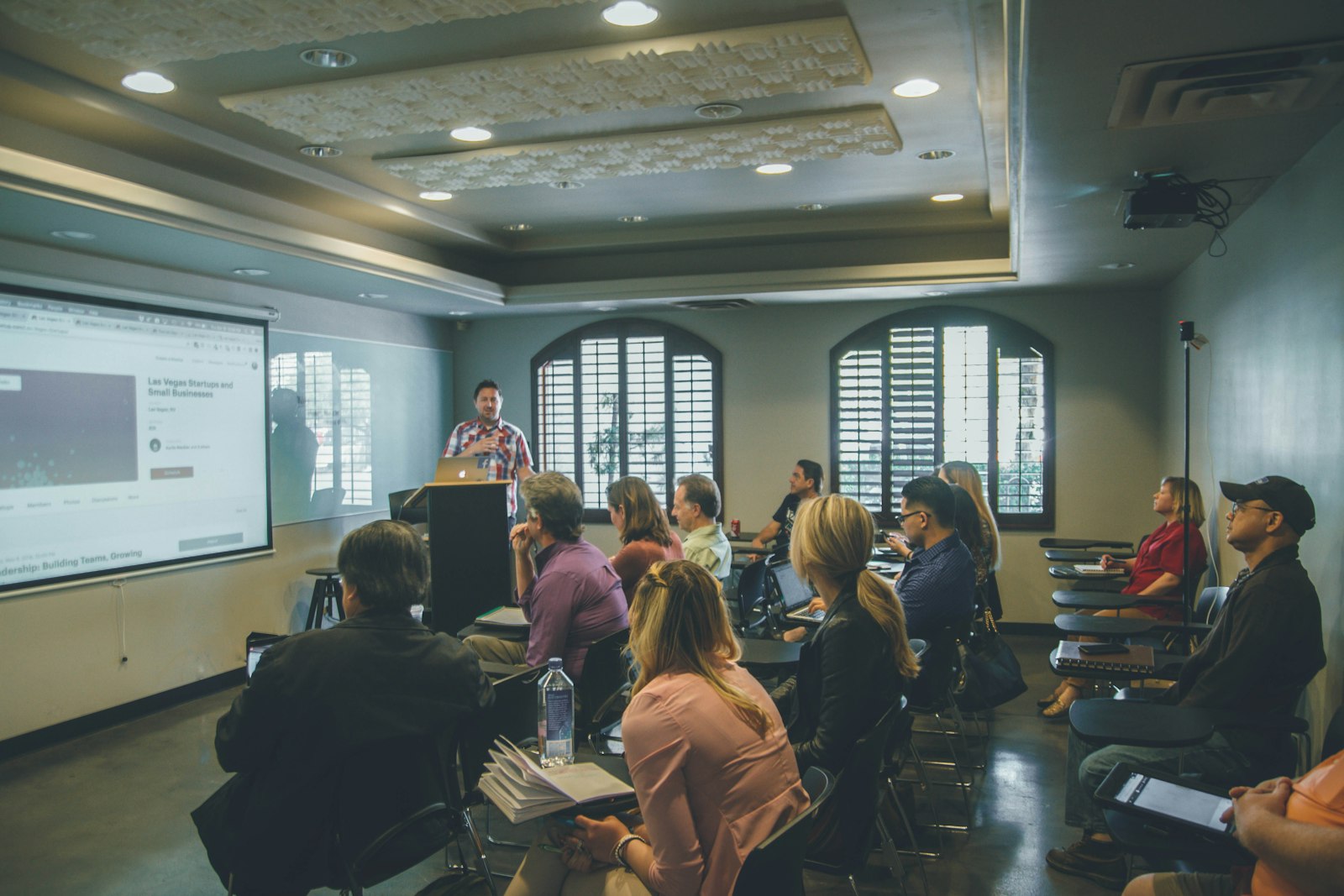
Officers in a training session
Short Courses

Build a program around your capability gap

Tell us which courses your teams need and whether you want them online, in the classroom or blended — we'll amalgamate and sequence them to suit your agency.

Enquire about training
Course catalog

36 courses across three skill tracks

Vocational courses are run for agencies rather than individuals — determine your agency's needs and select accordingly. Related courses can be amalgamated, for example Customs Control & Cargo Control.

Core Customs Skills

  • Cargo: Principles and Procedures
  • Customs Audit Techniques 1
  • Customs Audit Techniques 2
  • Customs Clearance
  • Customs Profiling and Targeting
  • Customs Risk Management
  • Customs Tariff 1
  • Customs Tariff 2
  • Customs Transit and Transhipment
  • Customs Valuation
  • Duty Suspension Regimes
  • Export Control
  • International Customs Law 1
  • International Customs Law 2
  • International Trade Transactions
  • Rules of Origin
  • Supply Chain Security
  • Travellers: Principles and Procedures

Management Development

  • Customs Benchmarking Techniques
  • Ethics and Integrity
  • Management Development Operational Program
  • Management Development Senior Program
  • Regulatory Compliance Management

Customs Specialist Skills

  • Customs Offenses and Sanction Regimes
  • Decision Making and Appeals in Customs Matters
  • Duties, Taxes, and Fees
  • Environment Taxation
  • Excise Theory and Practice
  • Fraud Control
  • Fuel Taxation
  • Intelligence: Principles and Procedures
  • Investigation: Principles and Procedures
  • Maritime Enforcement
  • Train the Trainer
  • Understanding the Maritime Environment
Partnership Case Studies

Real borders and real results

How governments, businesses and institutions have worked with CCES to turn customs expertise into lasting capability.


A cohort in session
Case study 01 120+ officials graduated

Building Qatar’s next generation of customs leaders

A university-level pathway for serving officers of Qatar’s General Authority of Customs, connecting study directly to the workplace.

Read the case studyClose
The challenge

Qatar’s General Authority of Customs sought to strengthen the professional capabilities of serving customs officers through a university-level program that combined internationally recognized customs and border management knowledge with direct application in the workplace.

The challenge was to create a pathway that developed both technical expertise and the higher-level skills needed to critically assess border management challenges, contribute to policy and help lead organizational improvement.

Our approach

CCES and Charles Sturt University worked within a partnership involving Qatar’s Ministry of Education, General Authority of Customs and Community College of Qatar to deliver the Bachelor of Border Management (Customs). The program combined academic study with a practice-based specialization for serving customs and border officers.

Importantly, learning was connected directly to the workplace. Students undertook supervised field education, customs workplace planning and leadership, and an improvement project requiring them to identify a workplace issue, analyze it, develop solutions and present an implementation plan to executive management.

The outcome

The partnership created a structured professional development pathway designed to build knowledge of border management, international law and policy while strengthening strategic planning, problem-solving and leadership capability.

To date over 120 customs officials have graduated from the program, many of whom now hold senior positions within the General Authority of Customs.

CCES impact

The initiative shows how CCES can combine academic rigor, customs expertise and workplace-based learning to support governments seeking to professionalize their customs workforce and develop capability from within.

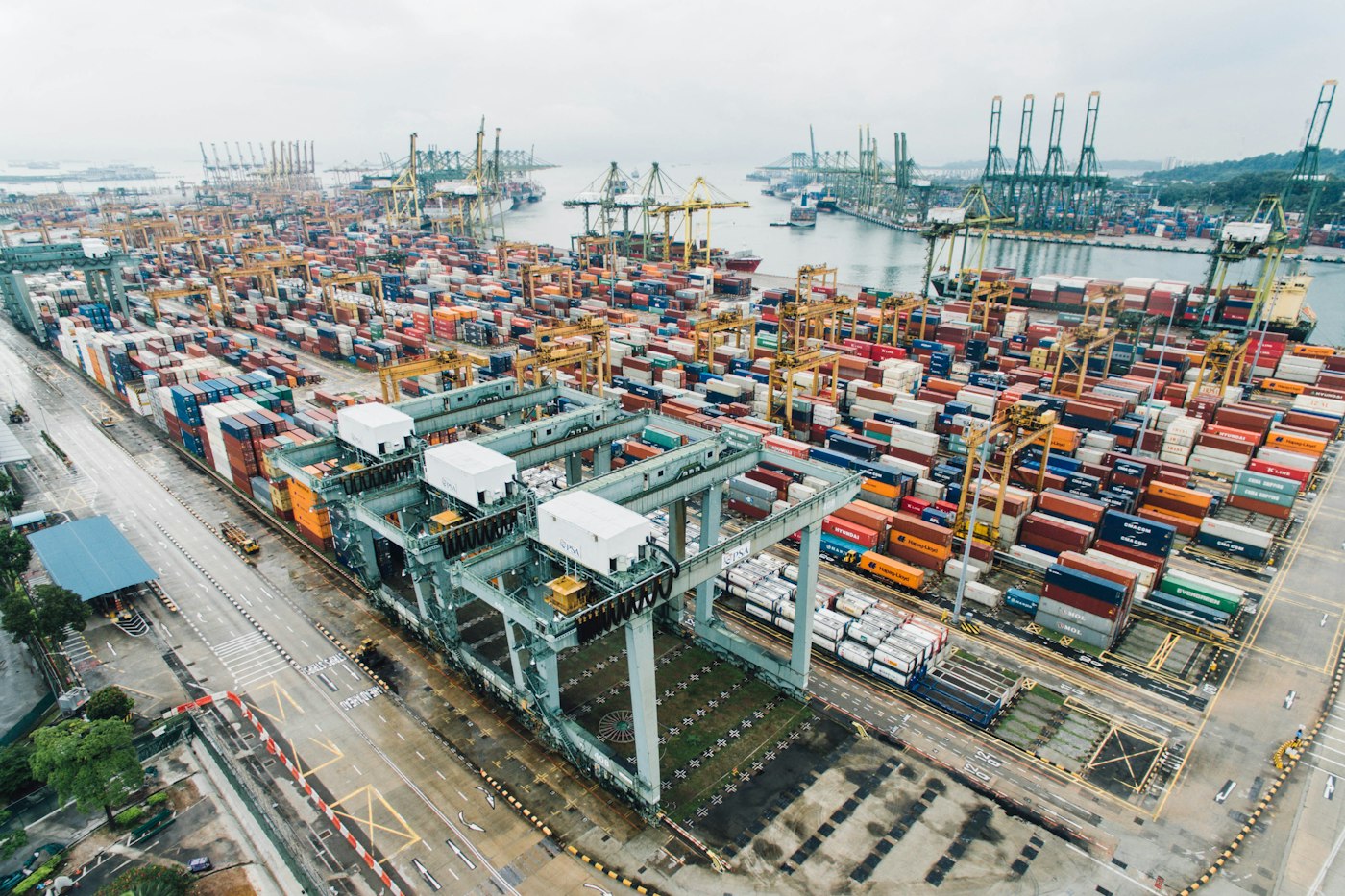
Container terminal at a regional port
Case study 02 12 economies

Turning trade policy into practice: implementing AANZFTA full cumulation

Helping ten ASEAN member countries, Australia and New Zealand put a highly technical rules-of-origin change into consistent practice.

Read the case studyClose
The challenge

The Second Protocol to the ASEAN-Australia-New Zealand Free Trade Agreement introduced full cumulation, allowing value added across participating economies to contribute towards a product’s origin.

Putting this highly technical policy into practice requires customs administrations, issuing authorities and businesses to develop a common understanding of how the new provisions should operate.

Our approach

CCES was engaged through the Regional Trade for Development initiative to help translate the policy into practical implementation. Building on earlier CCES research and consultation with ASEAN Member States, the project combines technical guidance with implementation reference materials, business-friendly resources and hybrid capacity building.

CCES submitted Full Cumulation Implementation Reference Notes addressing verification of regional value content and developed a draft Business Handbook explaining full cumulation through practical guidance and sector-based case studies.

The outcome

The project demonstrates CCES’s ability to bridge the gap between trade agreements and implementation. The work is helping to surface and clarify critical implementation questions requiring agreement, including documentation, verification responsibilities and evidence requirements across the ten ASEAN member countries, Australia and New Zealand.

CCES has also developed an online training framework comprising awareness and comprehensive learning pathways to support future implementation.

CCES impact

The project shows how CCES can work across governments and business to turn a negotiated trade agreement into workable practice, combining technical analysis, plain-language guidance and training to help multiple economies apply complex origin rules consistently.

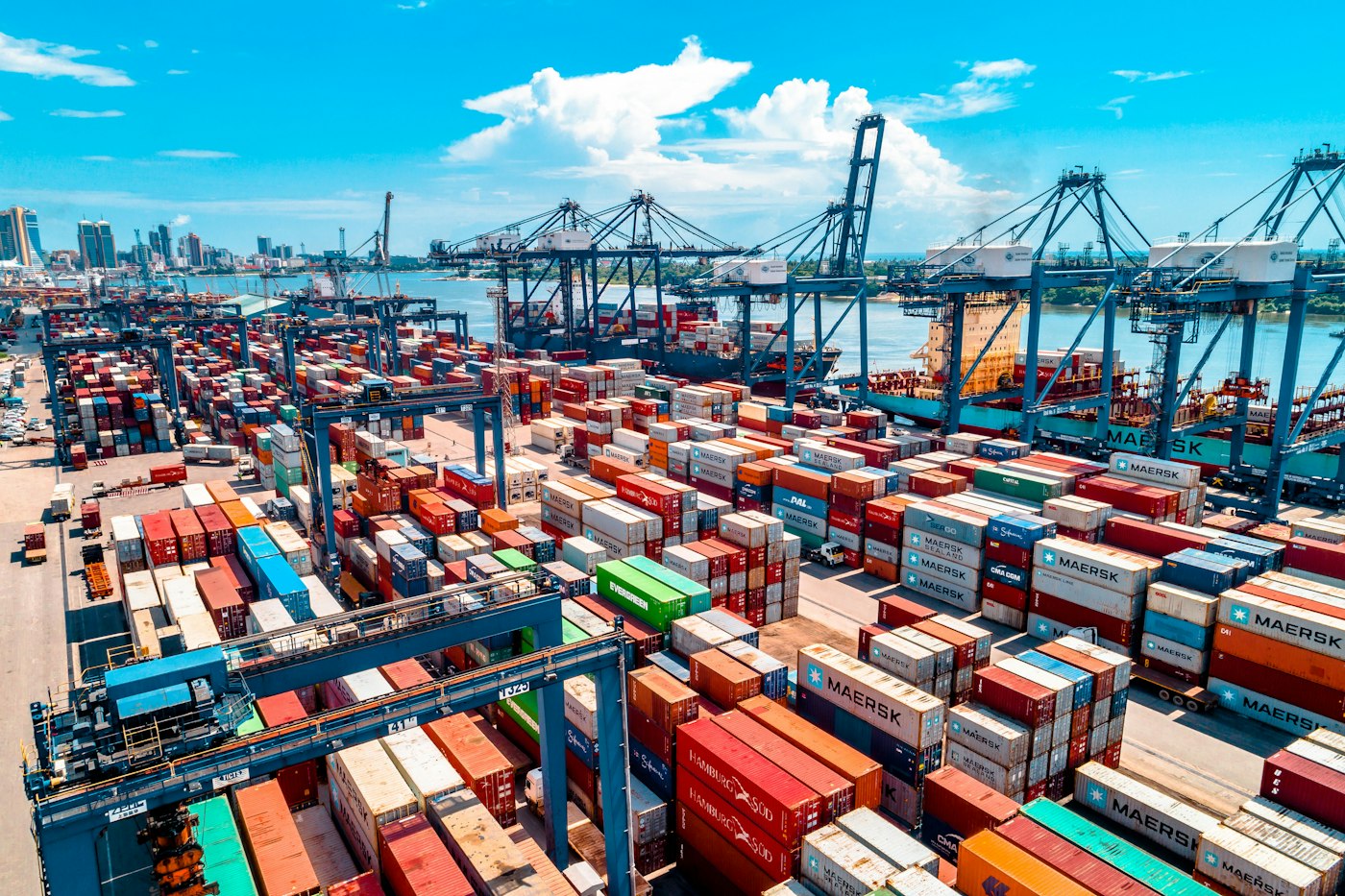
Shipping containers stacked at a port
Case study 03 800+ companies joined

From evidence to policy: shaping Australia’s Trusted Trader Program

Independent research that helped reverse a government decision and laid the groundwork for the Australian Trusted Trader Program.

Read the case studyClose
The challenge

Following international moves to strengthen and facilitate global supply chains, many countries introduced Authorized Economic Operator (AEO) programs that provide accredited businesses with benefits such as expedited customs clearance and fewer checks.

Australia decided in 2012 not to proceed with such a scheme, raising concerns that Australian traders could be disadvantaged in key international markets.

Our approach

CCES researchers, commissioned by Australian industry partners, examined AEO programs operating around the world, assessed the potential economic benefits of an Australian scheme and consulted industry stakeholders about how a national program should operate.

The research combined international analysis with continuous engagement through major Australian trade and logistics industry associations, resulting in specific recommendations for an Australian model.

The outcome

The research became a key catalyst for reversing the Australian Government’s earlier decision and contributed to the introduction of the Australian Trusted Trader (ATT) Program, initially as a pilot, in 2015, which incorporated many of the research recommendations. To date, more than 800 companies have joined the program.

In May 2025 the Assistant Minister for Customs, Julian Hill, said, “the ATT has matured into a critical part of our nation’s trading system and demonstrates the principles of collaboration and shared responsibility.” Read the speech

CCES impact

This project shows CCES’s ability to combine rigorous research, international benchmarking and industry consultation to generate practical evidence that can inform government policy and translate trade facilitation concepts into national programs.

Let’s build capability together

Whether you’re a government agency, a business or an institution, tell us what you’re looking to achieve and we’ll help you find the right partnership.

Contact our team